Advocacy In Action
Addiction Medicine Advocacy Conference: Bringing it Home 2026
Local Voices. National Change.
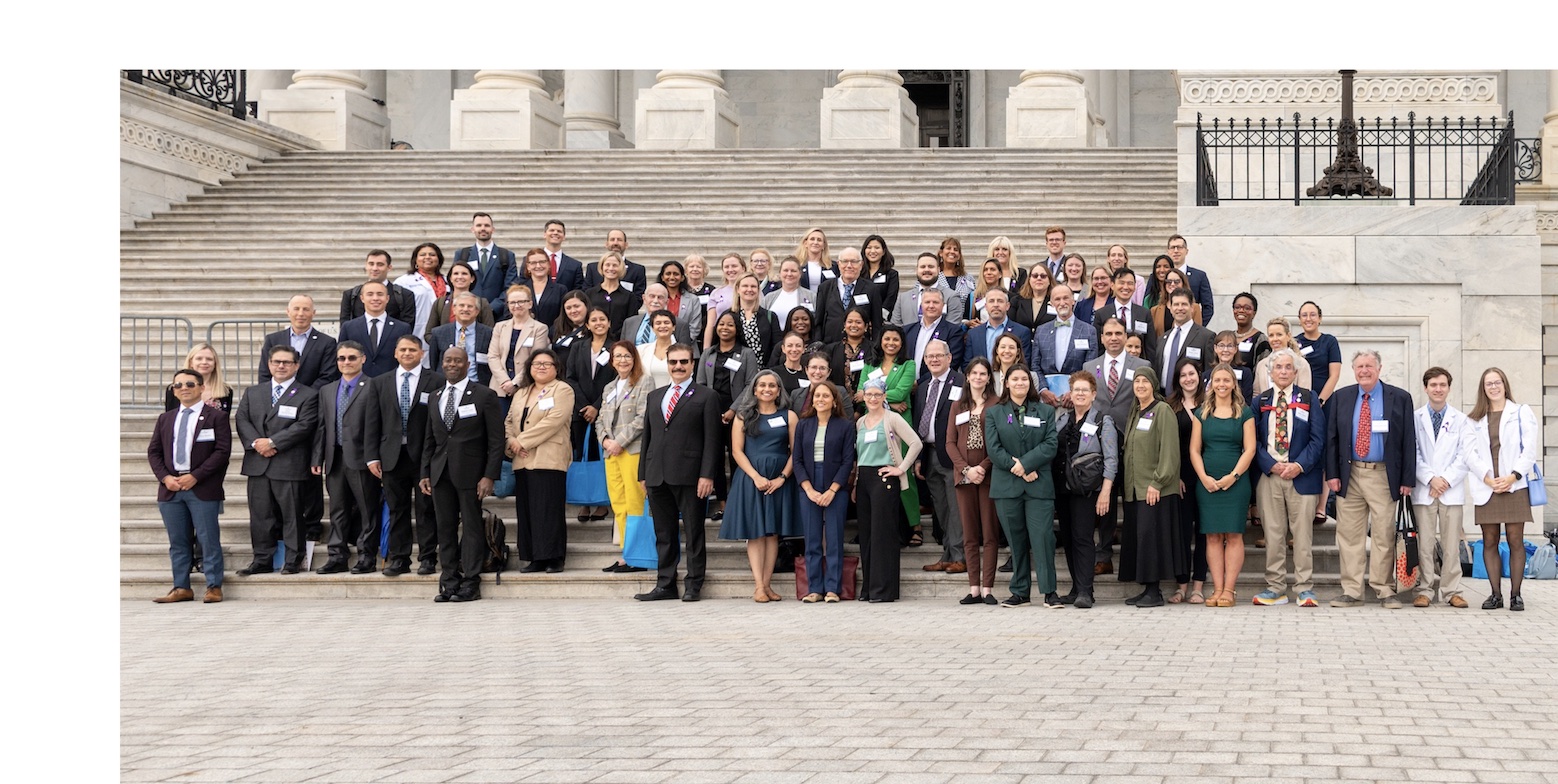
The 2026 Addiction Medicine Advocacy Conference (AMAC) will equip attendees with the tools, messaging, and confidence to engage with members of Congress and their staff in local district offices during the August 2026 recess. Through a virtual, expert-led skills training in early August and state-based networking, attendees will gain everything they need to advance a national policy agenda that supports addiction treatment professionals as they care for patients and save lives at home.
AMAC 2026 has concluded. AMAC will return to Washington, D.C., in 2027! Follow this page for updates on registration.
AMAC 2026 Legislative Priorities
Modernizing Opioid Treatment Access Act 2.0 (MOTAA 2.0)
MOTAA 2.0 would advance integrated and patient-centered approaches to methadone treatment for opioid use disorder (OUD) – through qualified practitioner prescribing and pharmacy dispensing, bringing care closer to patients with strong safety guardrails.
Residential Recovery for Seniors Act
This bill would establish a targeted, evidence-based Medicare benefit for residential addiction treatment programs meeting nationally recognized standards, filling a long-standing gap in coverage while strengthening oversight and accountability.
Digital Advocacy
Contact your Members of Congress using ASAM's Addiction Medicine Grassroots Action Center.
Social Toolkits
Use your voice and social media platform to drive awareness of MOTAA 2.0 and the Residential Recovery for Seniors Act.
2026 Partners
2025 Highlights
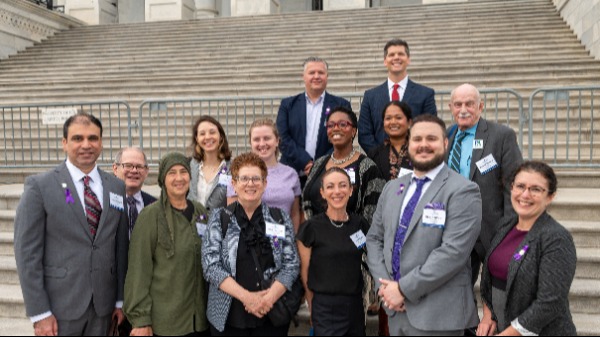
Nearly 100 ASAM members and addiction medicine experts convened in Washington, DC, for AMAC 2025. These advocates participated in 149 meetings on Capitol Hill with lawmakers and their staff to urge them to act on legislation that would advance addiction recovery in America. Priority legislation included:
- which would allow addiction specialist physicians to prescribe methadone for opioid use disorder treatment that could be picked up at community pharmacies, subject to federal rules or guidance on supply of methadone for unsupervised use.
- which would create a Medicare Part A benefit for residential addiction treatment programs meeting nationally recognized standards, categorized as Level 3.1: Clinically Managed Low-intensity Residential Treatment; Level 3.5: Clinically Managed High-intensity Residential Treatment, and/or Level 3.7: Medically Managed Residential Treatment.
Catch the highlights from our recent event here and learn more about the policy priorities here.
WHAT ASAM ADVOCATES ARE SAYING
“At AMAC, I was able to appreciate how interdisciplinary and important the field of addiction medicine is. I am grateful for the lasting connections that I made with professionals within my own state, as well as across the country.”
– Grace Heiting, medical student (pictured)
“[AMAC] has been a good experience for me to see how things can be better.”
–Cate Heil, MD, FASAM
“I love Hill Day. As an addiction medicine doctor, I learn so much about advocacy, legislation, health policy, teamwork and ultimately, providing high-quality patient care.”
– Lipi Roy, MD, MPH, FASAM